11 May 2026
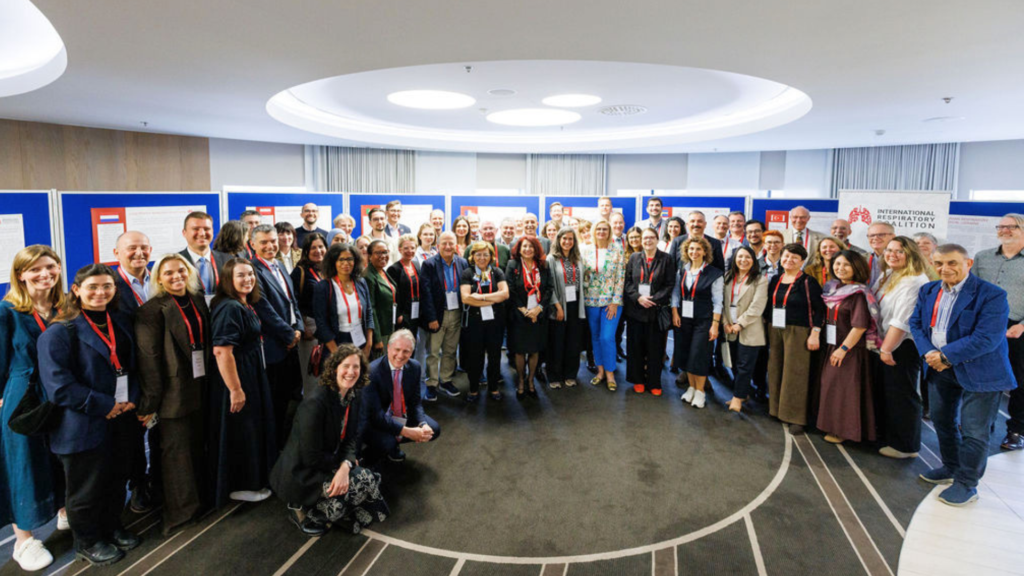
The International Respiratory Coalition’s Annual Workshop brought together 21 national coalitions in Brussels on 5 to 6 May 2026, representing clinical, scientific and patient perspectives from across Europe and beyond. Over two days of strategy sessions, shared learning and action planning, coalitions worked together to translate respiratory health commitments into real-world action led by the IRC Chair Anita Simonds.
What happened
The workshop opened with a keynote from Dr Noraryana Hassan, Director of the Disease Control Division at Malaysia’s Ministry of Health, whose account of advancing integrated lung health at the national level set the tone for the days ahead. Her experience resonated with the IRC coalitions, each at a different stage of building their national respiratory strategies.
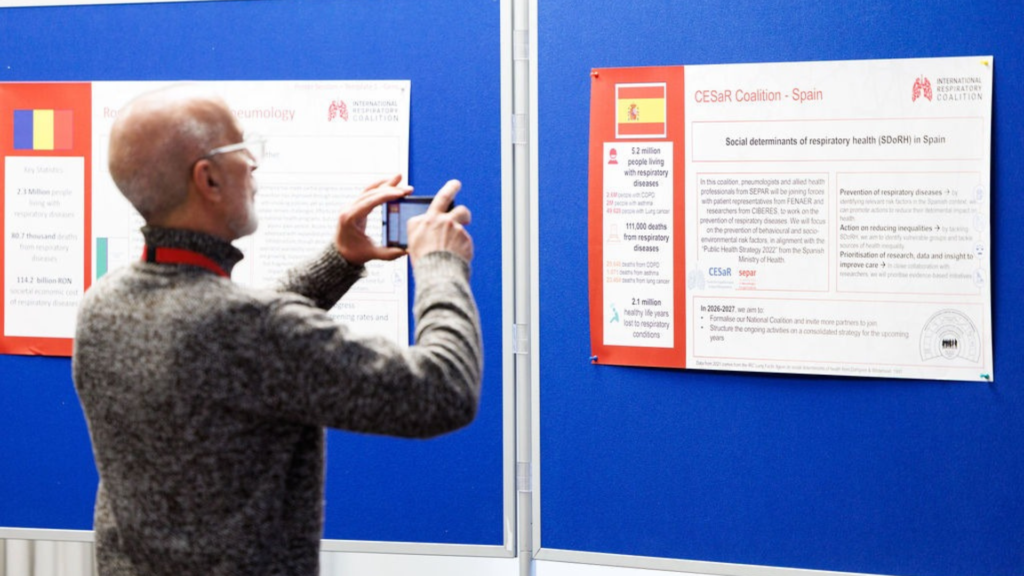
That breadth came through clearly in the coalition pitches, which ran across both days and gave every coalition the floor to share what they are most proud of and where they face the biggest challenges. From Armenia and Austria to Türkiye and Ukraine, the pitches painted a vivid picture of the work being done across the IRC network and the shared obstacles that coalitions continue to navigate.
A practical tool for national planning
The workshop was an opportunity to discuss the new IRC Blueprint. This tool is designed to:
- translate the priorities set out in the IRC Manifesto into a structured approach for national implementation
- cover the full pathway of respiratory care, from prevention and preparedness to long-term care
- help coalitions align stakeholders, identify gaps and bottlenecks, and focus on the most impactful actions
- move coalitions from initial planning and set-up to stronger, more effective strategies and delivery
Coalitions explored how the IRC Blueprint could support their own contexts and several expressed interest in piloting it in the year ahead.
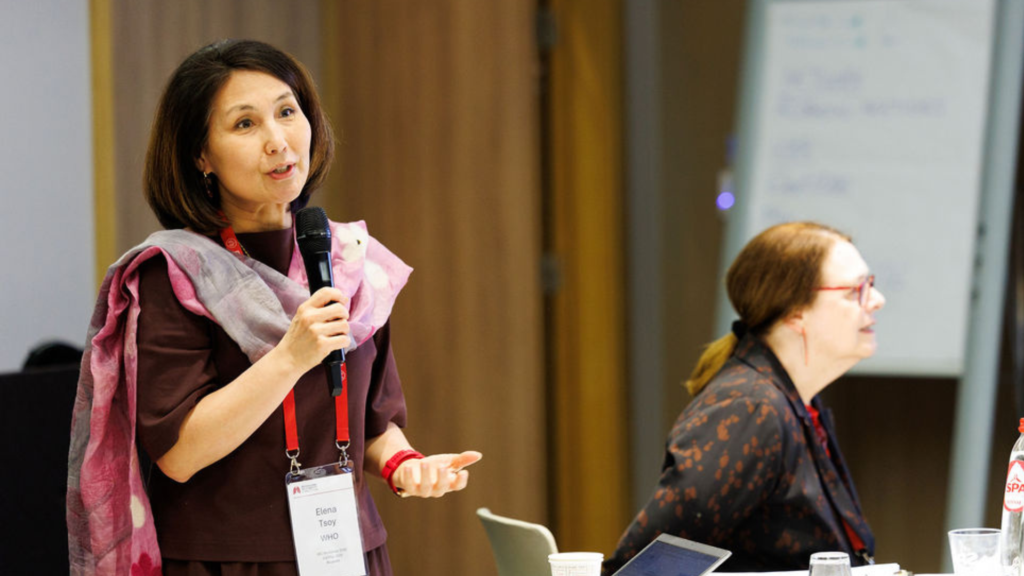
This sat alongside a broader conversation about how coalitions can draw on international policy frameworks, including the World Health Assembly Lung Health Resolution and JARED, to strengthen their national strategies. Elena Tsoy from the World Health Organization (WHO) opened that conversation by setting out how national plans can be anchored in global guidance, before Kjeld Hansen, Ildiko Horvath of the Hungarian respiratory coalition and Cristina Barbara from the Portuguese coalition each shared how these tools have shaped national advocacy in their own contexts.
Coming together for World Asthma Day
The first day ended with a World Asthma Day joint event, co-hosted by IRC and the Belgian national coalition (the Belgian Lung Foundation and the Belgian Respiratory Society (BeRS)). Anita Simonds and BeRS President Florence Schleich co-chaired the session. The event featured substantive discussion on asthma policy, with an interactive GINA update from ERS Vice President Arzu Yorgancioglu, and a best practices segment with Christer Janson, Lies Lahousse, Angelica Tiotiu and Didier Cataldo drawing on national examples from Sweden, Belgium and beyond.
José Luis Castro, WHO Director-General Special Envoy for Chronic Respiratory Diseases, also joined and delivered a speech on the urgent need to close the gap between policy ambition and patient reality. Speaking about concrete actions, he said:
“Let me suggest three time-bound priorities. For the next year, ensure universal availability of essential asthma medicines, especially inhaled corticosteroids. Within two years, integrate lung health into primary care systems, including routine diagnosis and follow-up. And within five years, achieve measurable reductions in uncontrolled asthma and avoidable hospitalisations. These are not abstract goals. They are achievable and necessary.”
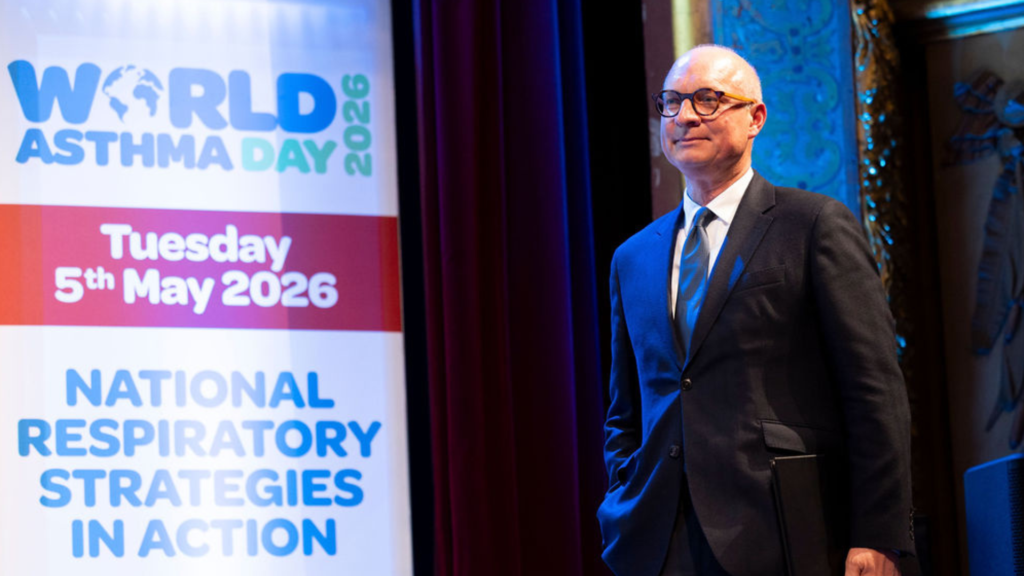
MEP Tomislav Sokol (EPP, Croatia) and member of the ERS MEP Lung Health Group, also brought a European legislative perspective to the discussion, speaking to the stakes of the EU’s upcoming budget negotiations and what coalitions can do to influence them. He said:
“The European Parliament has adopted a position demanding at least 10 billion euros for public health in the next seven-year budget — up from 4.4 billion. I want at least 2 billion of that allocated for cancer, where lung cancer will be one of the main priorities. But we need your national associations and patient groups to put pressure on your governments to support this during the budget negotiations.”
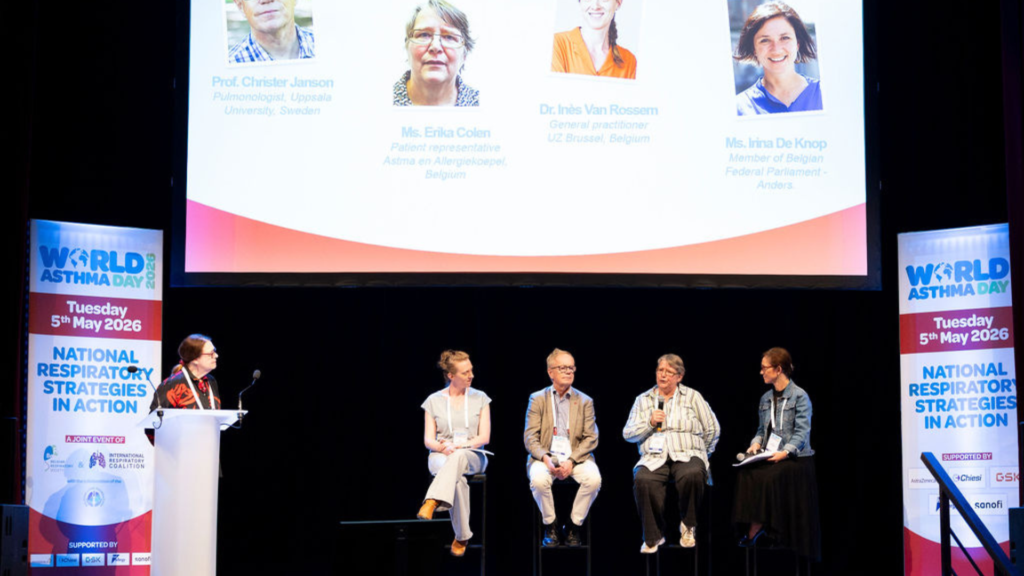
A panel discussion with Ines Van Rossem, Christer Janson, Erika Colen and Belgian MP Irina De Knop on next steps for asthma policy rounded out the evening, with an engaging account of Erika’s experience accessing treatment and care for her daughter’s asthma over the years.
Engaging policymakers and making plans for the year ahead
On day two, José Luis Castro joined the workshop, chairing a session on engaging policymakers. The session featured Alex Simidchiev, a pulmonary physician turned policymaker from Bulgaria, who drew on his unique experience on both sides of the policy table to offer practical insights on how coalitions can frame policy asks more effectively and help shape the health policy agenda for better public health outcomes. The session prompted lively discussion, with coalitions reflecting on how to apply those lessons in their own national contexts.
Closing out the day, IRC coalitions mapped out their priorities and initiatives for the coming months and years, before presenting their commitments to the group. With 21 national coalitions now representing more than 150 organisations, the IRC network has never been better placed to build the momentum that governments cannot ignore.
The commitments made in Brussels were a reminder of IRC’s ultimate goals, which is working towards a future where every country has an implemented national respiratory strategy based on best practice, and where deaths from respiratory disease are reduced by a third by 2030.
Learn more about the national coalitions supported by the IRC