25 May 2026
Lung cancer is the world’s biggest cancer killer. In the WHO European Region in 2021, it claimed 444,900 lives, cost societies €233 billion, and accounted for 10 million healthy years of life lost. Behind every number is a patient who deserved better: an earlier diagnosis, access to treatment while the disease was still more treatable, and a care pathway designed with them in mind.
This must, and can, change.
Here are five critical actions governments can take to reduce the burden and societal impact of lung cancer.
1. Treat tobacco control as the health emergency it is
Tobacco smoking remains the single biggest cause of lung cancer globally. The tools to address it are well established: taxation, smoke-free laws and decisive action on tobacco product sales.
Air quality matters too – it is a significant and under-acknowledged driver of lung cancer risk, particularly in urban and industrial communities where exposure is highest and healthcare access is often weakest.
2. Make early detection the norm, not the exception
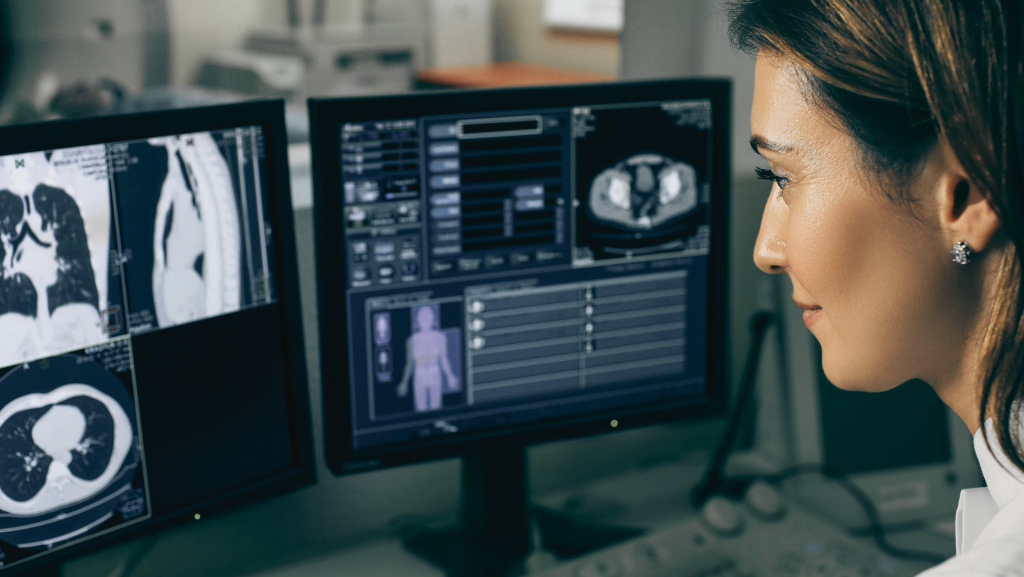
Low-dose CT screening can identify lung cancer at an earlier stage, when it is more likely to respond to treatment, but most countries still do not have a national screening programme in place. The fifth European Code Against Cancer, published in 2025, now recommends that governments implement sustainable, organised lung cancer screening programmes, placing it alongside cervical, colorectal and breast cancer screening. The framework is there; what is needed now is investment and urgency at a national level.
3. Make sure screening reaches the people who need it most
Results from the EU-funded SOLACE project show that different approaches make a real impact on how high-risk groups engage with lung cancer screening:
- Mobile screening units and practical support such as free transport helped screening reach communities that would otherwise be missed because of location and access to healthcare facilities.
- Integrating lung cancer screening with other programmes, such as breast cancer screening, also showed promise, makng it easier for people to attend screening alongside other routine checks.
- Community ambassadors and mediators were more effective at engaging people from communities where individuals have lower levels of formal education and may be less engaged with healthcare services.
Where a person lives, socioeconomic status and demographics should not determine whether cancer is caught in time. Screening programmes must be tailored to local contexts and designed with equity at their core.
4. Ensure detection leads to joined-up treatment pathways
Early detection is critical, but patients must also be able to access effective, joined-up care without delay.
Clear referral pathways, multidisciplinary care and equity of access to medicines are not aspirations. They are requirements. Socioeconomic status, geography and health literacy should not determine a patient’s outcome, but in too many places they still do.
Patients and survivors must be active partners in shaping the systems designed to serve them, not passive recipients of whatever those systems happen to provide.
5. Use data, share learning and implement best practice policies
Research and innovation have a critical role to play: in improving screening tools, developing new therapies, and using data and digital platforms to monitor outcomes and identify inequalities. Making that data openly accessible and connecting it to national policy is where advocacy makes the difference. IRC’s national coalitions are already doing this, country by country. From Poland to France, and Turkey to the Germany, coalitions of clinicians, patients and policymakers are using shared data and learning to make the case to their governments for funded national respiratory strategies.
That collective momentum is how change happens. The tools exist, the evidence is clear, and the lung health community is ready to work with policymakers. The only question is when governments will act.
➔ Learn about the work of IRC National Coalitions: international-respiratory-coalition.org/national-projects